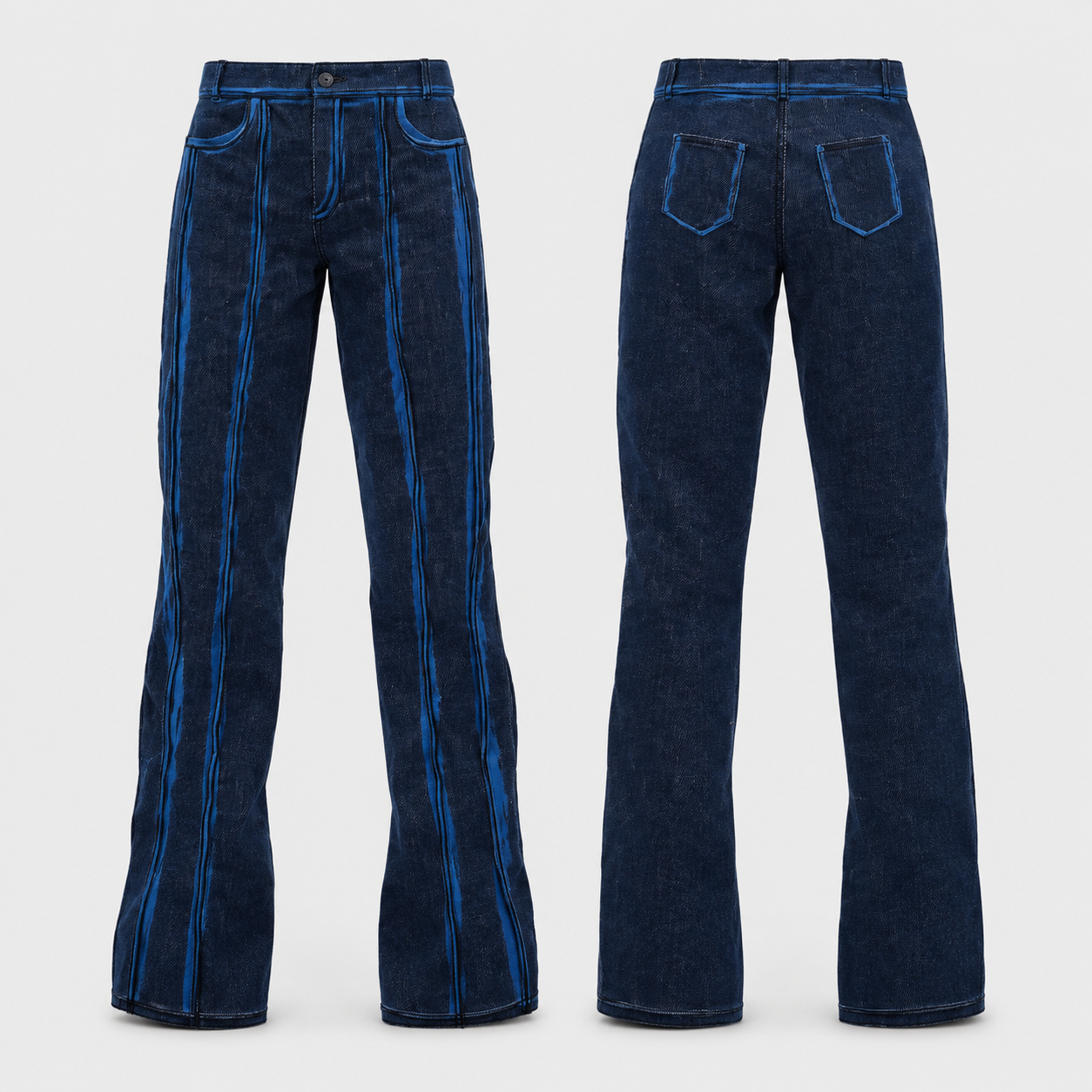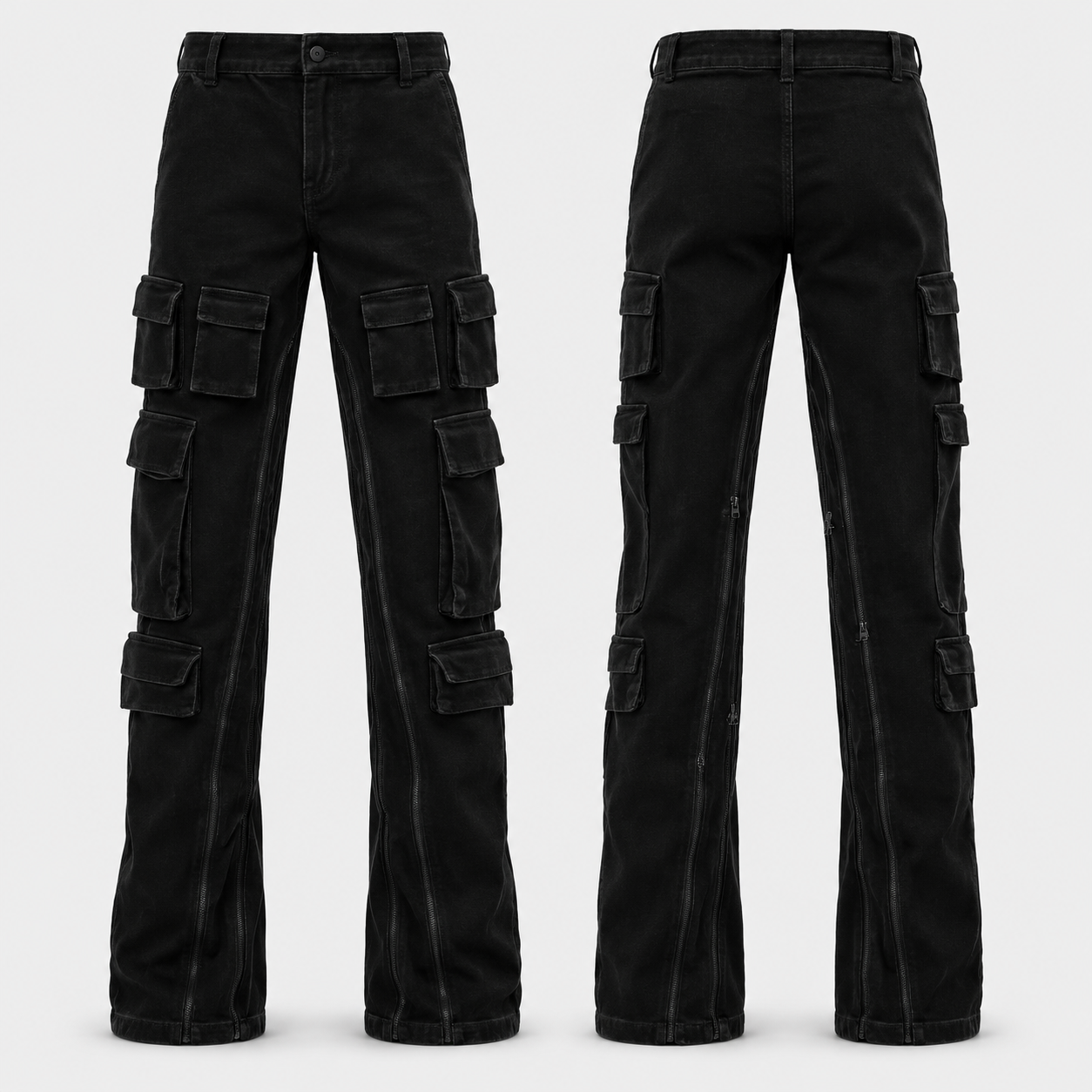
Image - 2026-11-17 21:12
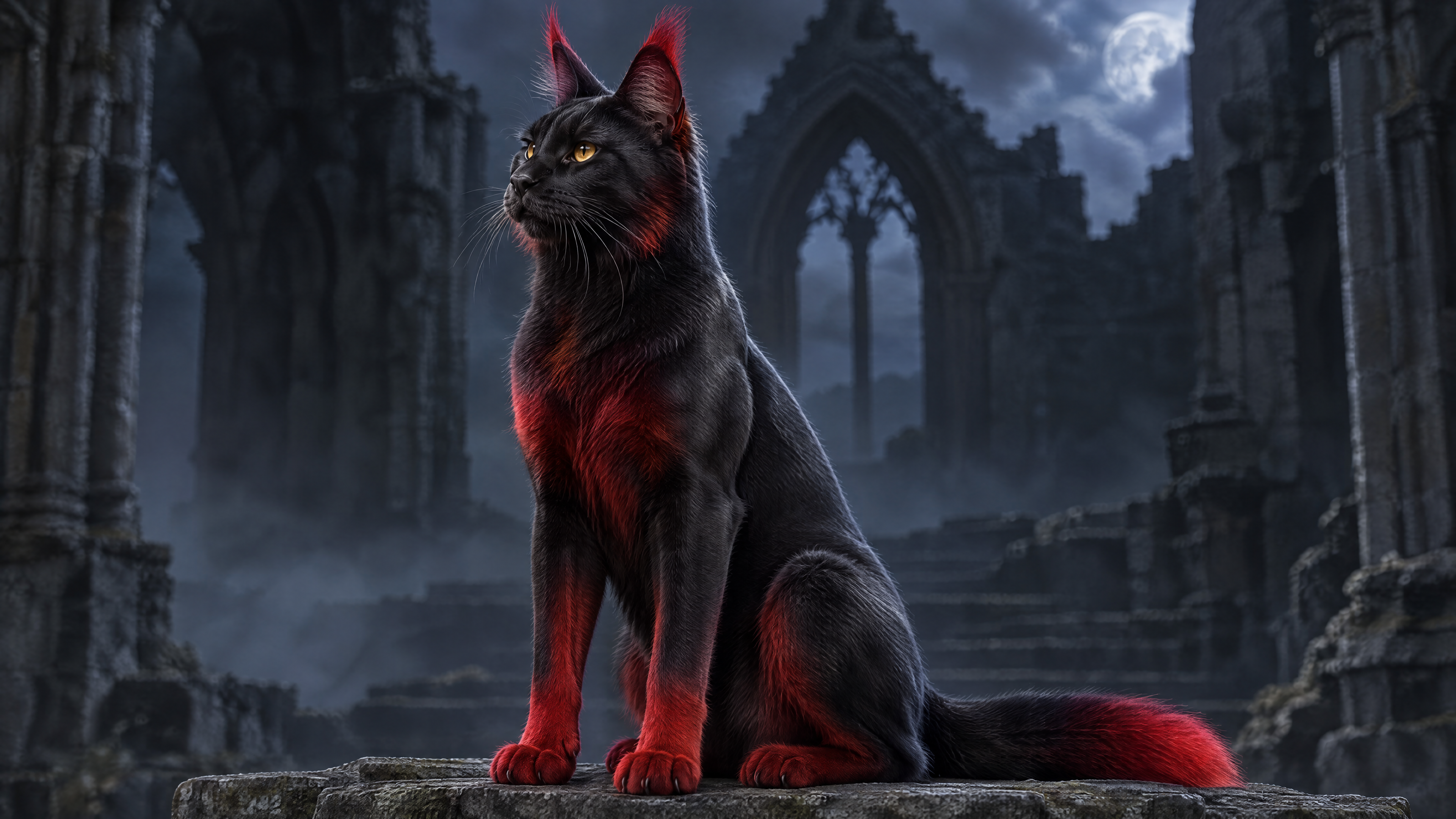
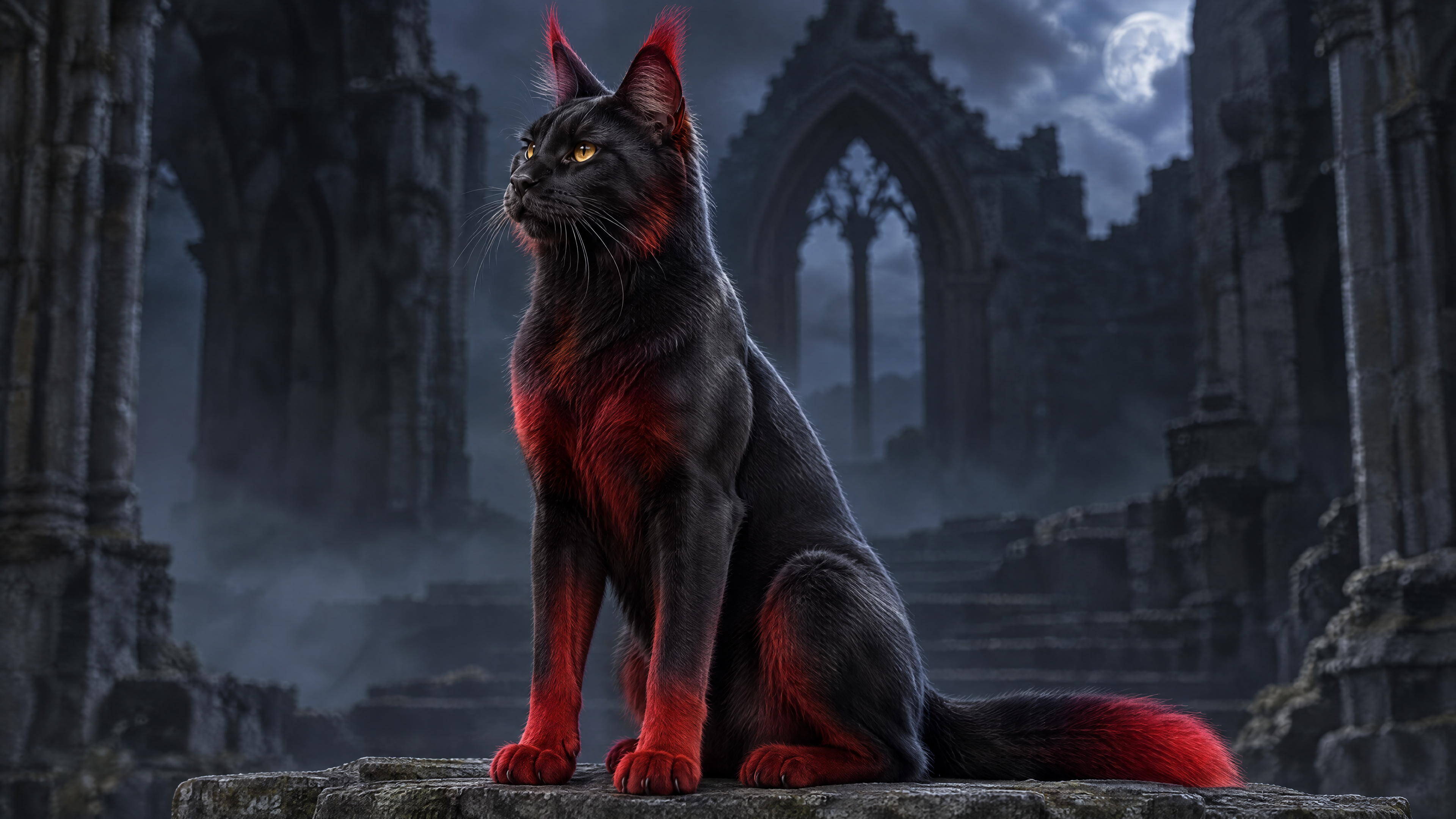
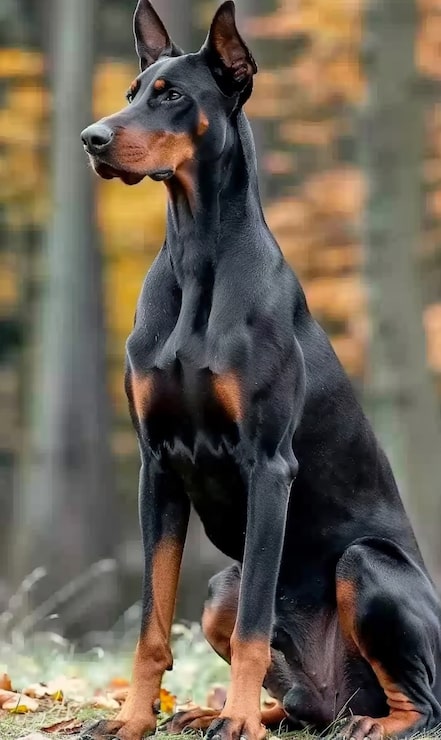
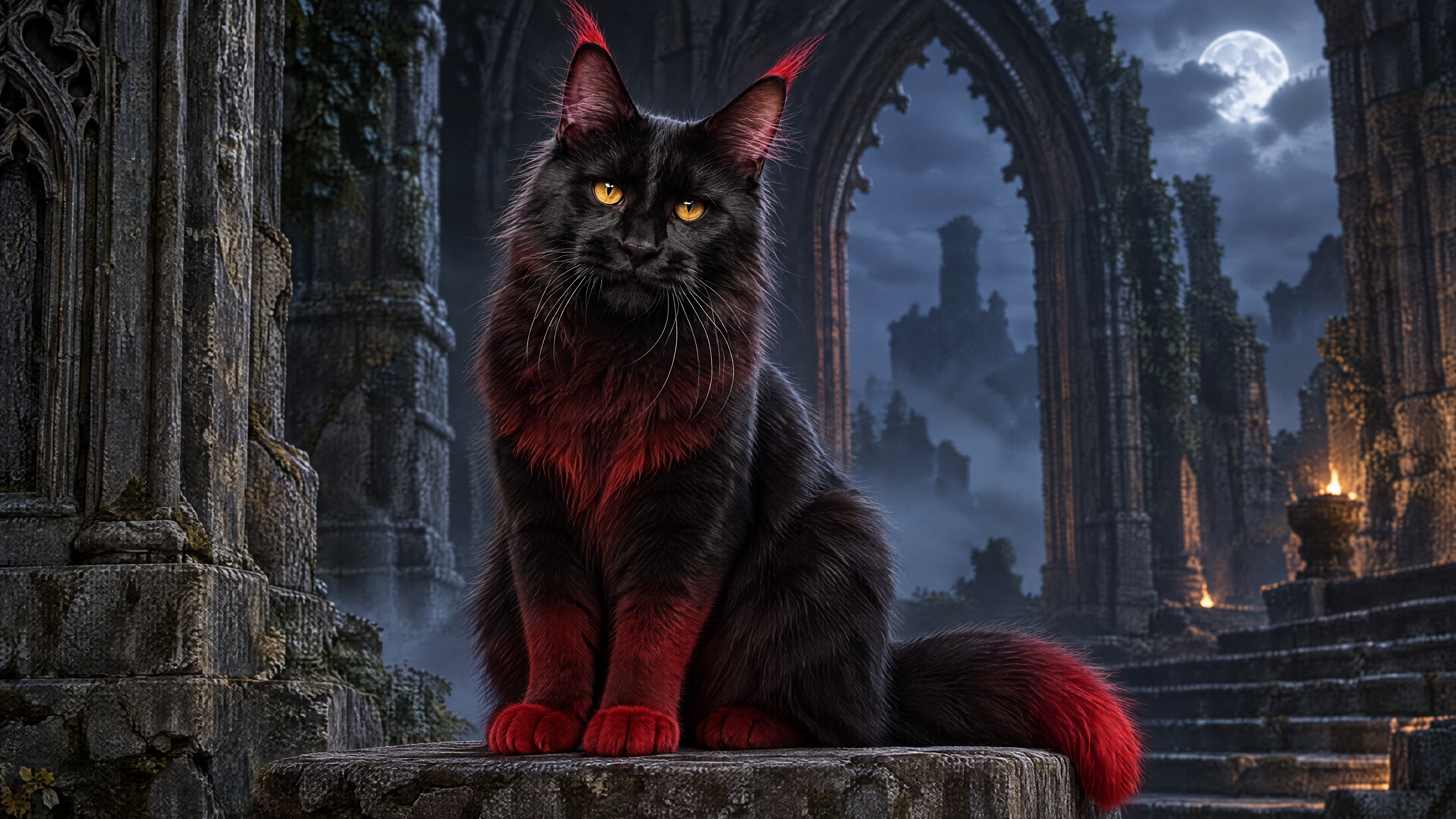
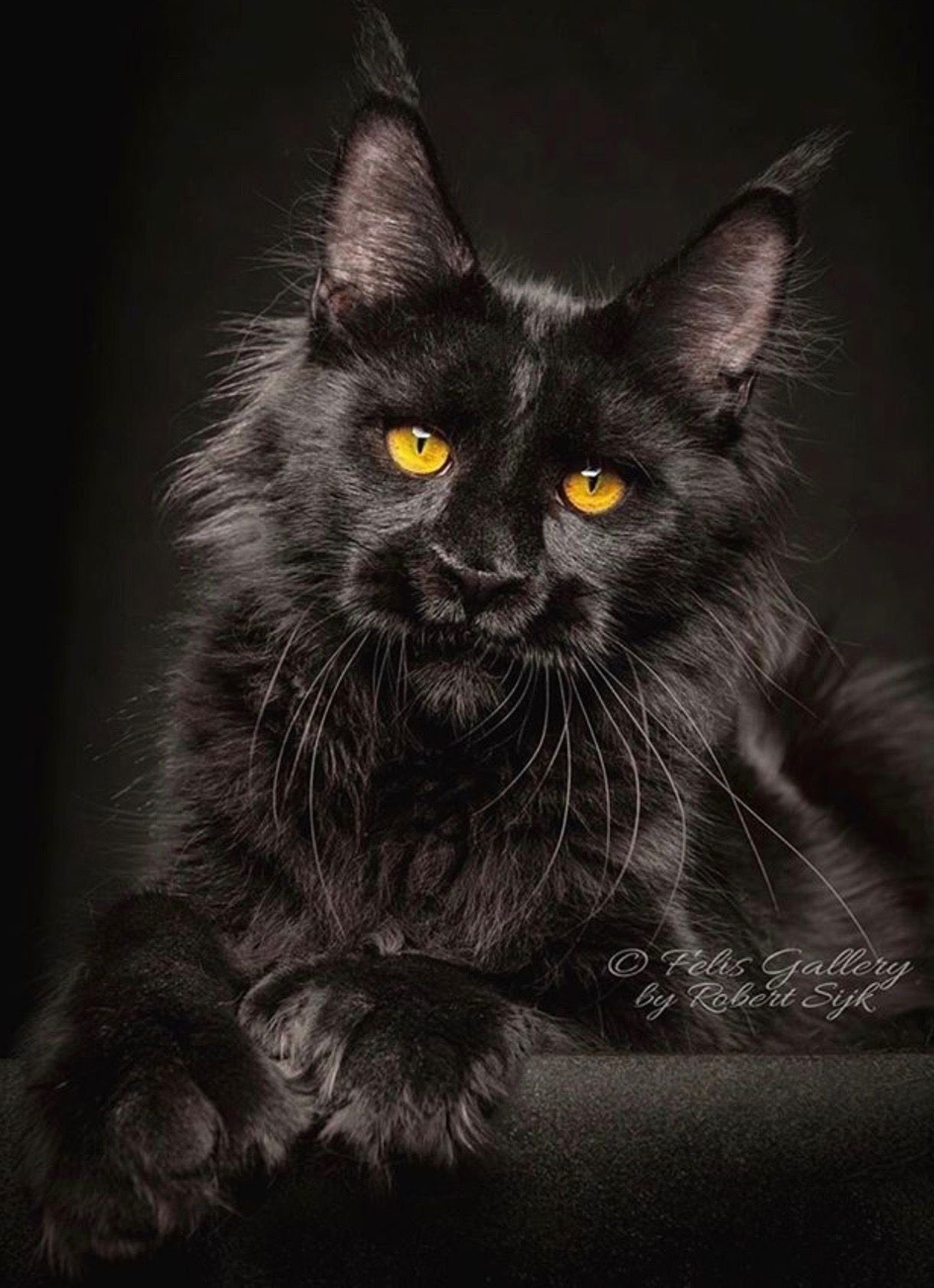
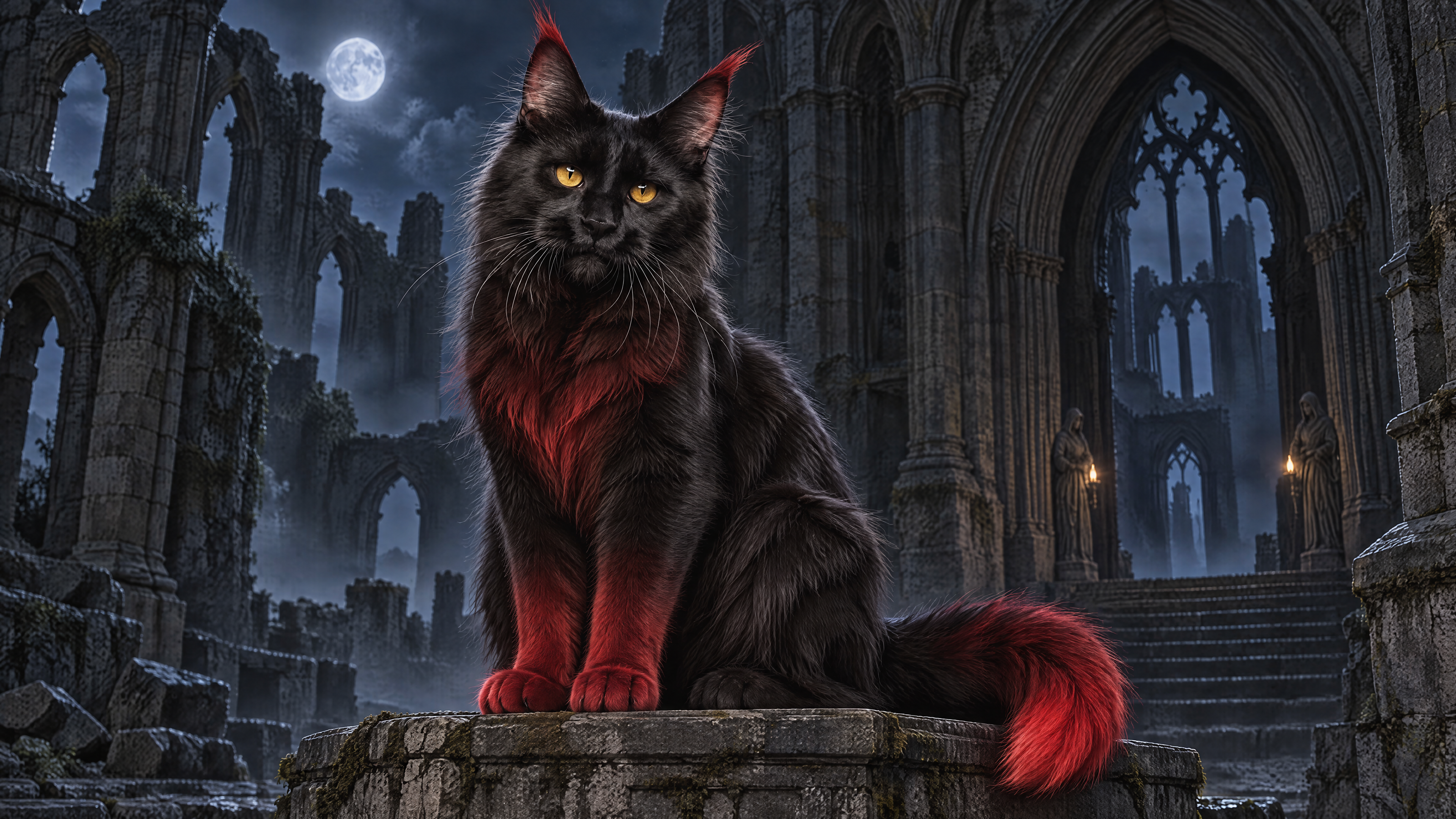
MAIN OBJECTIVE Restyle the Maine Coon from Референс 1 in a high-end semi-realistic 3D CGI style, cinematic masterpiece. Recreate the seated pose, upright silhouette, head direction, and camera angle of the Doberman in Референс 2 as closely as feline anatomy allows. The result must look like the Maine Coon performing the same pose, not a Doberman with a cat’s head. REFERENCE ASSIGNMENTS Референс 1 — Use only for the cat’s identity. Preserve its broad square feline muzzle, golden amber eyes, tall ears with distinct tufts, and long whiskers. Do not copy the original fur volume, crop, or pose. Референс 2 — Use as the primary guide for the pose, weight distribution, silhouette, head turn, and camera angle. Do not copy the dog’s head, canine anatomy, tan markings, or background. POSE AND CAMERA Match the seated silhouette in Референс 2. The cat sits tall on its haunches with its chest lifted, shoulders upright, and body tapering back toward the seated rump. Both forelegs extend almost vertically from the shoulders, with both front paws flat on the stone and slightly staggered in the frame. The haunch on the right side of the image is clearly visible, with the hind leg folded naturally beside the body. Hold the head high and turn it toward the left side of the frame, with the muzzle and gaze directed slightly off-camera, as in Референс 2. Keep the alert, composed posture without stretching the neck or legs beyond plausible feline proportions. Use the same three-quarter viewing angle and an upright portrait composition. Show the complete seated figure from the ear tufts to the paws. Place the tail low along the stone on the right side of the frame, clear of the front paws. Keep the entire scarlet tail tip visible without changing the reference pose. The cat is approximately 1.30 meters tall when seated, measured from the stone surface to the tips of its ears. FUR LENGTH AND TEXTURE Give the cat a short, close-lying coat, only slightly longer than the smooth coat of the Doberman in Референс 2. The fur should closely follow the contours of the neck, chest, shoulders, and legs so the pose stays clearly readable. Use fine, directional strands and a soft sheen. Allow a little extra length along the cheeks, chest, ear tufts, and tail, but keep all of these areas compact. No fluffy mane, bulky cheek ruff, or oversized plume tail. COAT COLOR Keep the face, back, and flanks jet black. Create broad, clearly visible, seamless gradients from black through deep crimson to saturated scarlet in four areas: - Ears: black at the base, blending through crimson to scarlet at the tips and tufts. - Front paws: black forelegs gradually blending through crimson across the lower legs to scarlet on both paws. - Chest: black below the throat, blending through crimson across the chest to a clearly scarlet lower chest. - Tail: black along most of its length, blending through crimson over the final quarter and ending in a vivid scarlet tip. The red must read as pigmentation within the fur. Do not reproduce the Doberman’s tan markings or add hard-edged patches, red light spill, or glowing fur. ENVIRONMENT AND LIGHTING Place the cat on a low, weathered stone plinth in a ruined Gothic abbey at night. A pointed arch and worn stone steps recede into cool blue-gray mist. Use subtle moonlit rim lighting and a soft neutral key light to define the short fur, the lifted chest, and all four color gradients. Keep the background subdued. Render the cat with refined CGI materials, natural eye reflections, and believable contact shadows. No anime proportions, cel shading, or toy-like surfaces. EXPECTED RESULT A full-body dark fantasy CGI portrait of the recognizable Maine Coon from Референс 1, sitting with the same tall, alert posture and leftward gaze as the Doberman in Референс 2, with sleek black fur and four distinct black-to-scarlet gradients.
Free to start · Generate videos and images with AI in seconds
More from this creator


More Gpt Image 2.5 images
См. все →